George E. Full & Son: PEI’s Potato Industry Legacy

George E. Full & Son starch factory and potato
warehouse, Hunter River, Prince Edward Island, ca. 1930s.

Behold the bustling George E. Full & Son Starch Factory and Potato Warehouse, circa 1930s, a hub of activity during its heyday. This photo captures the heart of Prince Edward Island’s agricultural heritage, as trucks loaded with bags of PEI’s finest spuds fill the factory yard.

The factory’s story is steeped in resilience and entrepreneurial spirit. Founded by George E. Full in 1881, it initially operated as a cheese and starch factory. A tragic fire on Hallowe’en night of 1908 destroyed the original building, but it rose from the ashes by the following year—a testament to grit and determination.

After George retired, the reins were handed over to his son, G. Elliot Full, who continued to steer the business through the decades. The factory stood as a proud landmark until the early 1960s, when it was ultimately torn down, leaving behind memories of industry and innovation.

Hunter River may be a quiet spot today, but its rich history reminds us how communities thrived on the potato industry, starch production, and local ingenuity.

Starch production played a significant role in Prince Edward Island’s economy during the late 19th and early 20th centuries. PEI’s fertile soil and favorable climate made it ideal for potato farming, which in turn fueled the starch industry. Factories like the George E. Full & Son Starch Factory processed large quantities of locally grown potatoes into starch—a valuable product used in food, textiles, paper production, and even early plastics.

This industry provided a crucial source of income for farmers, who had a market for their potato crops beyond just fresh consumption. Additionally, starch factories created jobs in rural communities, supporting not only factory workers but also those in transportation and related services.

The rise of starch production also contributed to PEI’s reputation as a leader in potato agriculture. Fast-forward to today, and Prince Edward Island continues to shine as Canada’s Potato Capital. With over 84,000 acres of potatoes harvested annually, the island’s farmers produce some of the highest-quality potatoes in the world. 

While starch factories like the one in Hunter River are a thing of the past, the spirit of innovation remains strong. Modern technology and sustainable farming practices ensure that PEI’s potatoes are not only delicious but also environmentally responsible.

Beyond the fields, PEI potatoes have become culinary icons, appearing in kitchens across the globe. From crispy French fries to creamy mashed potatoes, these spuds are a testament to the island’s rich agricultural history—and its future.

The story of PEI’s potato industry is one of resilience, creativity, and community, proving that a simple tuber can help build an economy and a legacy.

History on Lockdown: The Story of “Harvey’s Brig”

This Charlottetown jail, known as “Harvey’s Brig,” was built in the 1830s and was used as a jail for eighty years.

Step back in time to when Charlottetown’s Connaught Square (later renamed Pownal Square) housed one of the Island’s most infamous landmarks: Harvey’s Brig. Built in the 1830s, this formidable structure served as a jail for a remarkable 80 years, a witness to some of Prince Edward Island’s most fascinating and turbulent moments.

The jail’s nickname, Harvey’s Brig, is said to have come from an early jailer, Harvey, whose no-nonsense reputation and strict rule were the talk of the town. Tales abound of the local mischief-makers and petty criminals who passed through its doors. 

One infamous case involved a group of prisoners who reportedly attempted an escape, only to be thwarted by Harvey himself. Legend has it that the jailer’s quick thinking and firm hand earned him the grudging respect of the community—and the miscreants he locked up. The brig, while unyielding, was also known for being overcrowded and less than comfortable, painting a vivid picture of justice in the 19th century.

In its time, Harvey’s Brig held petty criminals, local troublemakers, and even those accused of more serious crimes awaiting trials or sentencing. Justice in the 1800s was harsh, and punishments like public whippings or branding were not uncommon. The brig stood as a stern reminder of the rule of law in a growing city.

Overcrowding was a persistent issue, as the jail was relatively small and not designed to accommodate a growing population. This led to calls for better facilities, which eventually resulted in the construction of a new jail in 1911.

Though the building is long gone, its legacy adds an intriguing chapter to the history of PEI’s capital city. A snapshot of life from a bygone era, it reminds us of how much our towns—and justice systems—have transformed over the centuries. 

Next time you stroll through Pownal Square, imagine Harvey’s Brig, the bustling square of the 1830s and the echoes of the past that still linger.

Step Back in Time: Life at ‘Crowlands’ in 1901

1901 Image depicts men, women and children posed with horses and carriages in front of the “Crowlands” residence of Mr. and Mrs. Edward Bayfield on North River Road in Charlottetown, Prince Edward Island. Photographer’s name (C. Lewis) Item Number Acc3466/HF74.27.6.11 Host Collection Prince Edward Island Museum and Heritage Foundation collection ; DuVernet collection Physical Location Public Archives and Records Office of Prince Edward Island Caption “‘Crowlands’ Home of Mr. and Mrs. Edward Bayfield – North River Road” Date (original) [ca. 1901 Creator (original) C. Lewis

Originally posted to Earle’s PEI History page on Facebook on March 24, 2025

This captivating photograph from 1901 transports us to Crowlands, the elegant residence of Mr. and Mrs. Edward Bayfield, nestled on North River Road, Charlottetown. Posing proudly with their horses and carriages, the men, women, and children in this image reflect the grace and charm of a bygone era. 🏡🐎

Crowlands stood not just as a home but as a symbol of a vibrant community, where families gathered, and daily life unfolded in the gentle rhythms of a bygone time. Today, it evokes nostalgia for PEI’s rural charm and the enduring legacy of its history.

The Bayfields were part of Charlottetown’s vibrant community, and their home, Crowlands, stood as a symbol of the island’s rural elegance. 

The photograph, taken by C. Lewis, beautifully captures the essence of life at the turn of the century, where horse-drawn carriages were the height of transportation and family gatherings were the heart of daily life.

Photographers like C. Lewis played a pivotal role in preserving the stories and moments of Prince Edward Island’s past. In the early 20th century, when photography was still a relatively new art form, capturing an image was a deliberate and significant process. These images documented not just people and places but the evolving essence of community, culture, and daily life.

Through their lenses, photographers became historians, freezing moments in time that might otherwise have faded into memory. Their work provides us with a window into history, allowing us to see how people lived, dressed, and connected with their surroundings.

Today, this photograph, part of the Prince Edward Island Museum and Heritage Foundation collection, reminds us of the power of photography to tell stories, evoke emotions, and keep history alive for generations to come
The Victoria Hotel: A Charlottetown Landmark Lost to Time

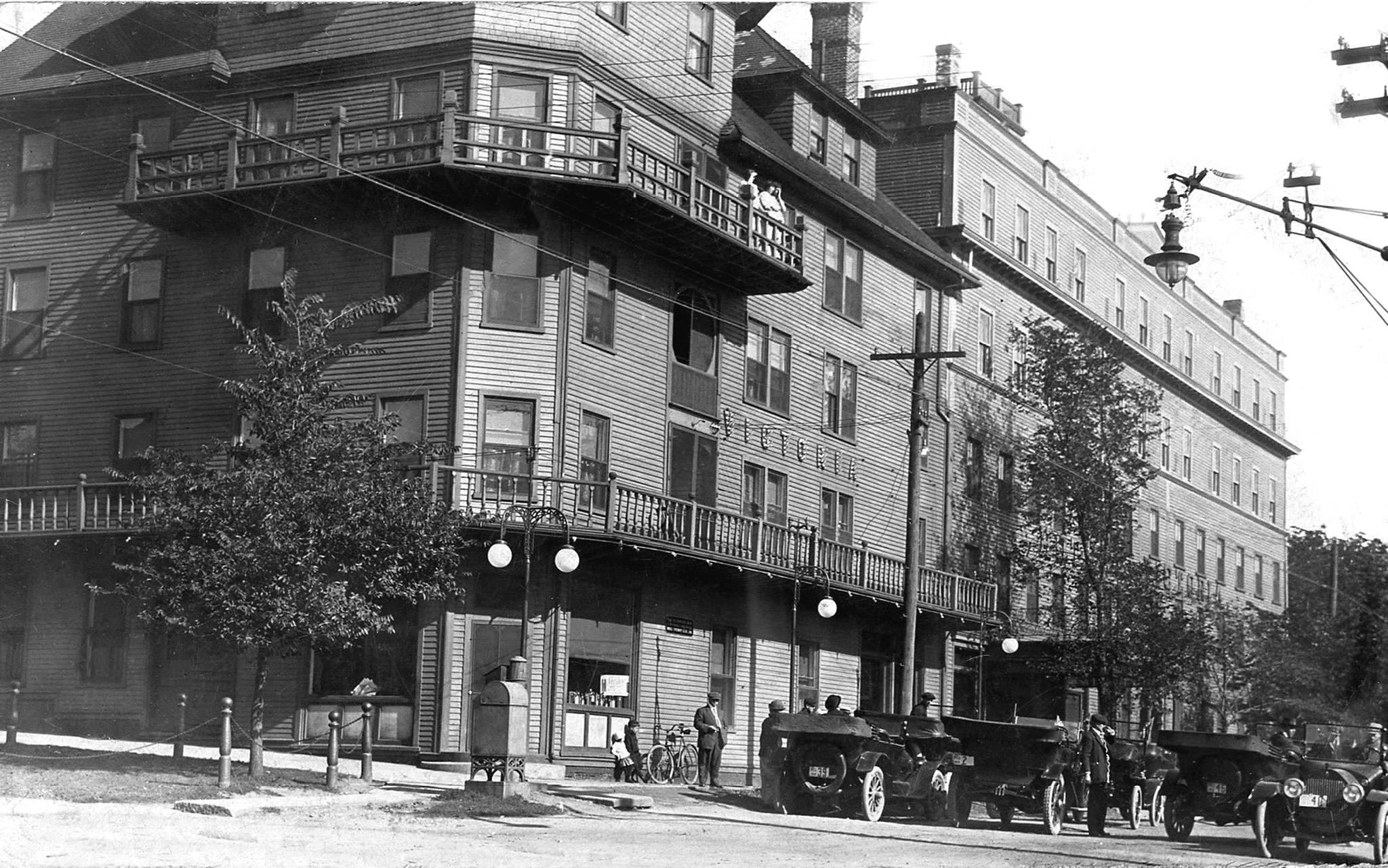
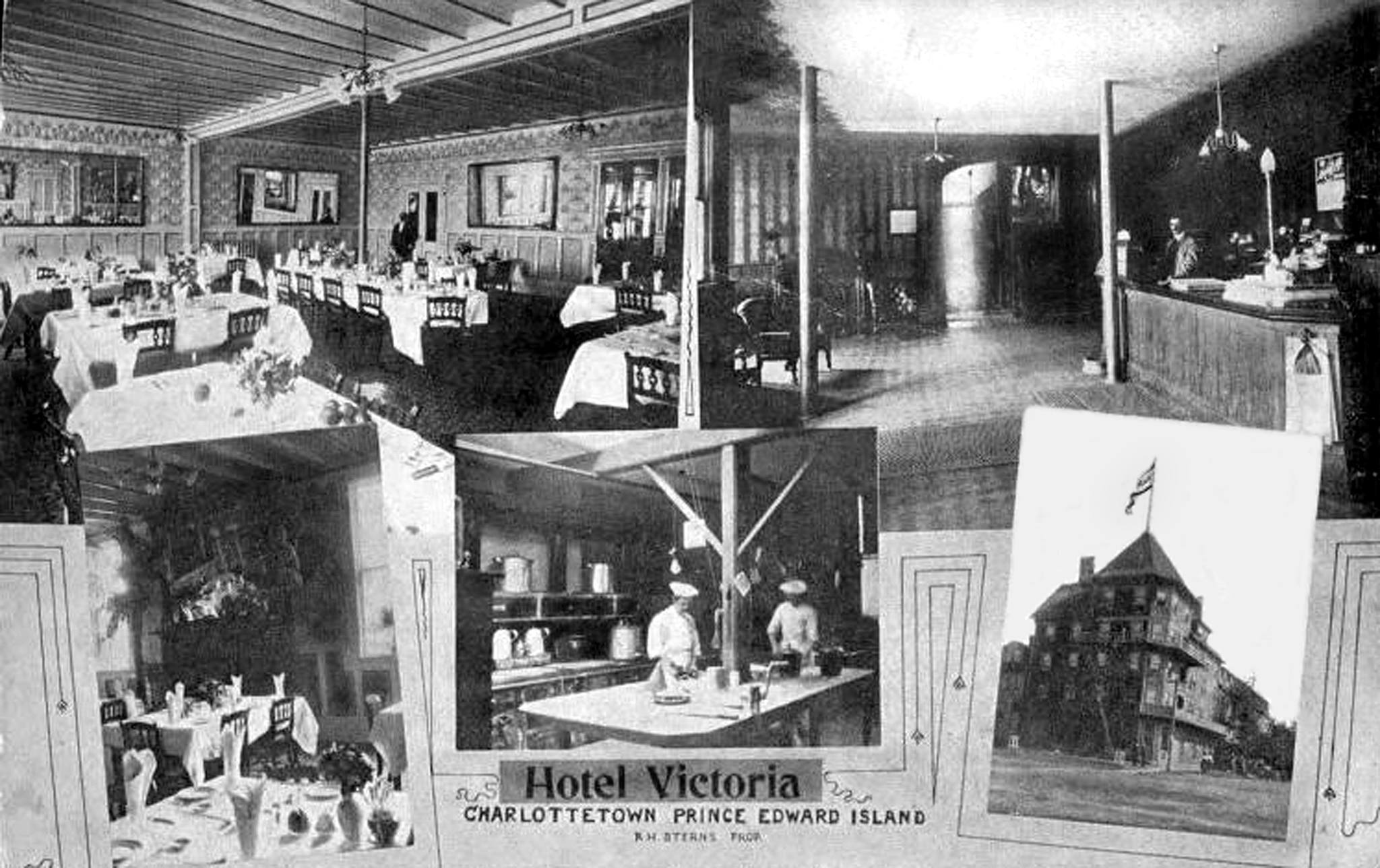
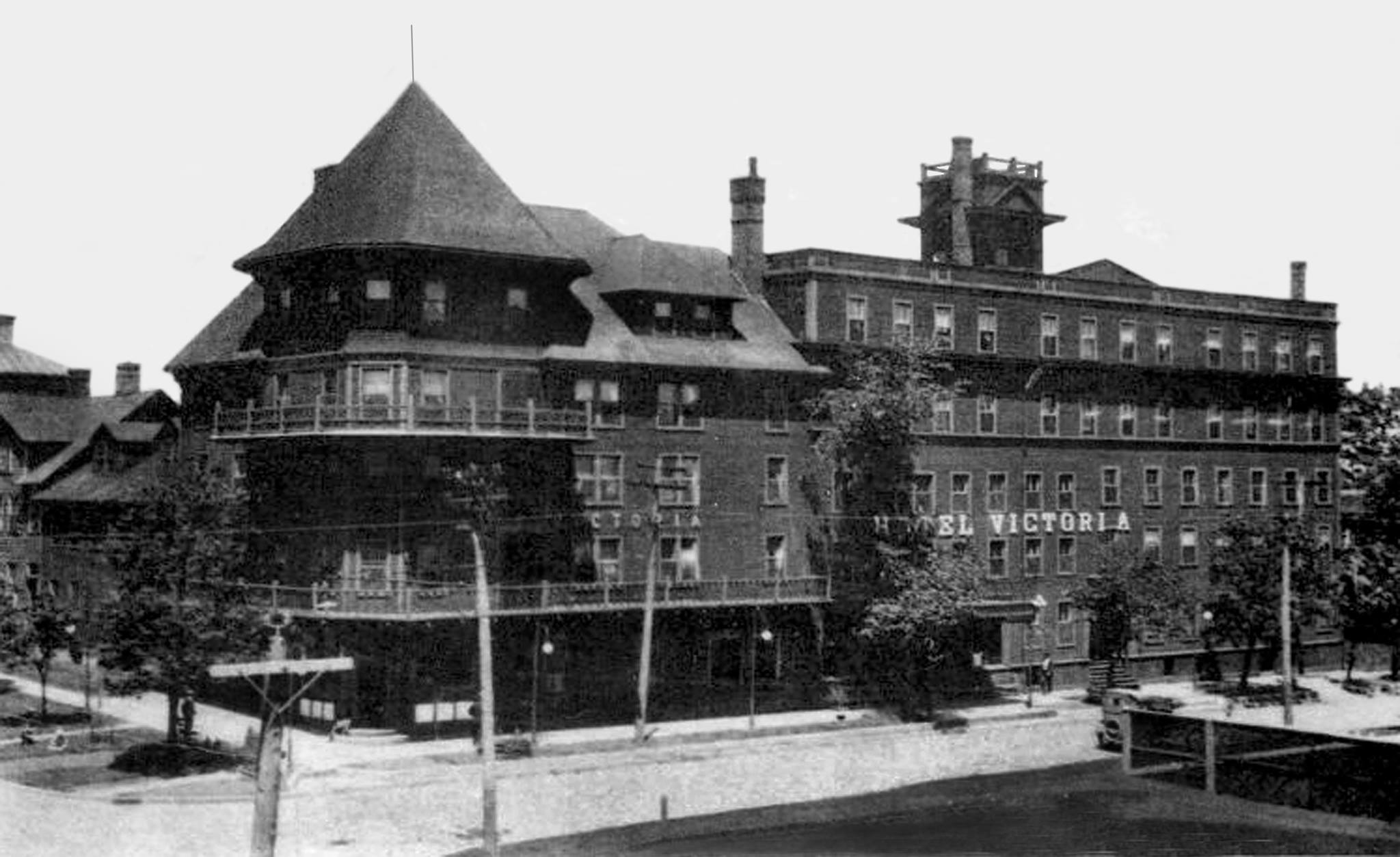
These striking photos from 1905 to 1919 capture the grandeur of the Victoria Hotel, once located at the corner of Water Street and Great George Street, Charlottetown, Prince Edward Island. Built in the late 19th century, the Victoria Hotel was a hub of the city, offering elegant accommodations and a warm welcome to visitors exploring Prince Edward Island.

The hotel was known for its luxurious amenities and prime location, making it a popular choice for visitors to Charlottetown. While specific details about room prices or notable guests remain elusive, it’s likely that the Victoria Hotel catered to a mix of tourists and business travelers, drawn to the Island’s charm and burgeoning economy during this era.

Victoria Hotel 1905 Great George Street and Water Street Charlottetown Prince Edward Island

The Victoria Hotel was not only a place of lodging but also a social hub, hosting events and gatherings that brought the community together. Its prime location and elegant design made it a symbol of Charlottetown’s charm and sophistication during its time.
Sadly, this iconic building met its fate on Saturday, January 12, 1929, when a devastating fire reduced it to ashes. The fire was a significant loss for Charlottetown, as the hotel was considered one of the finest in the city at the time. But it also paved the way for new developments in Charlottetown’s hospitality industry. The Rodd Charlottetown Hotel, built in 1931, was constructed as a replacement, continuing the tradition of welcoming guests to the Island.

Did you know? Charlottetown’s downtown has been shaped by resilience and innovation. From the Great Fire of 1866 to the loss of the Victoria Hotel, the city has rebuilt and thrived, creating a unique blend of history and progress.

Mangez Ma Poutine

I was browsing through my google drive and came across some lyrics I had written years ago. They were for a song called “Mangez Ma Poutine” by a fake Acadian band named Pota-trois, from the fake album entitled ‘Taber-Nickle-Nacle”.

I think my purpose was to create a rather banal song, written in French and badly translated into English. I’ve always been a fan of poor translations. Of course, since I don’t speak the language hardly at all, the French lyrics were initially translated from English, using Google Translate, and I am sure, there are likely all kinds of bad or poor French grammatical things going on there, so to the French, I apologize for any butchering of the language that may have resulted.

Rob’s 7-Word Review: Juror #2

Flawed script? Underdeveloped caricatured characters? Verdict: Guilty!

Rob’s 7-Word Review of the movie Carry-On

Positive Reviews, you lied to me. Ridiculous.

Earle’s Paintings

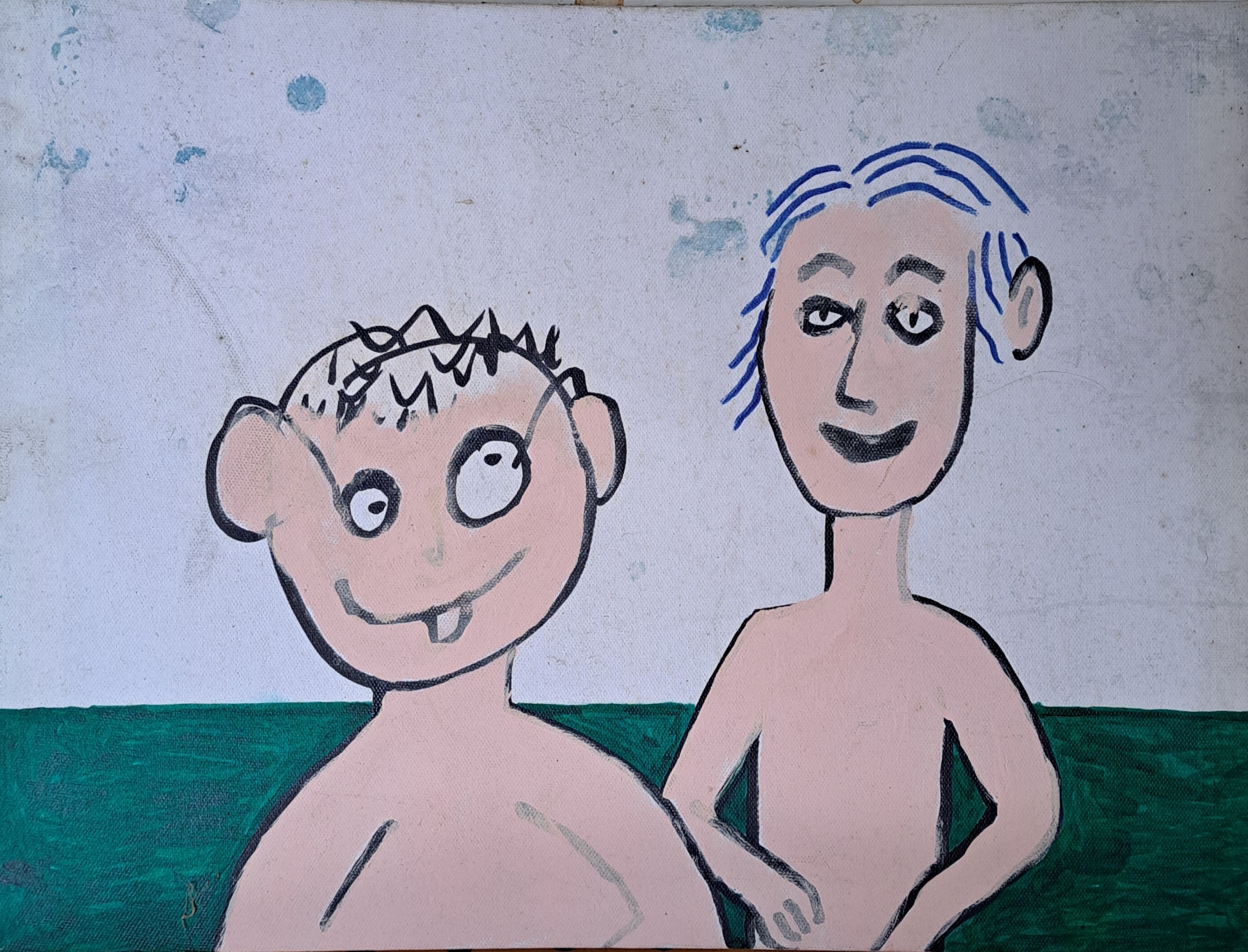
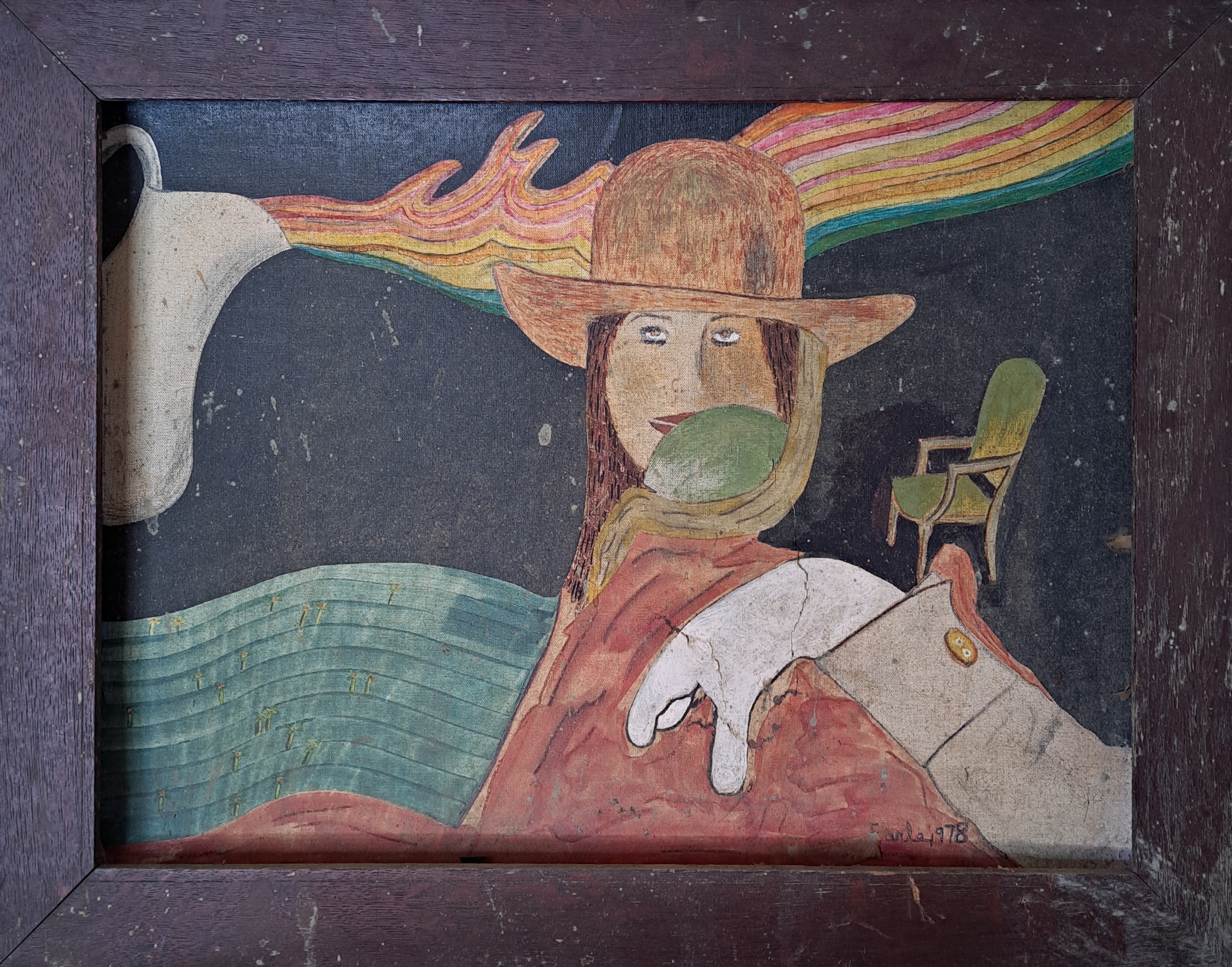
My oldest brother, Earle, passed away in December 2023.

For as long as I knew him – which, for those who don’t want to do the math, is my entire life – Earle was an artist of sorts. A dabbler of creative concepts. A painter of paintings.

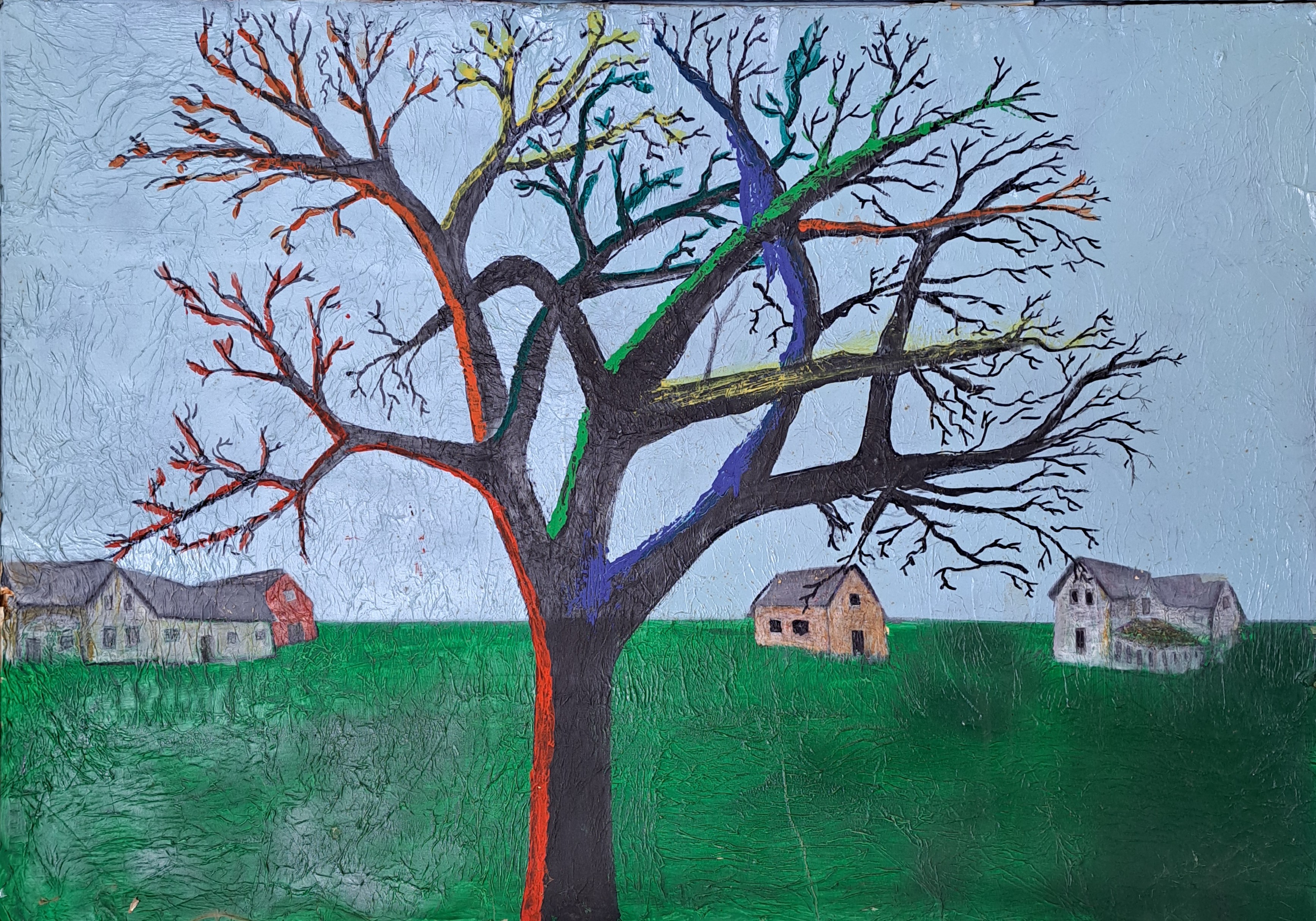
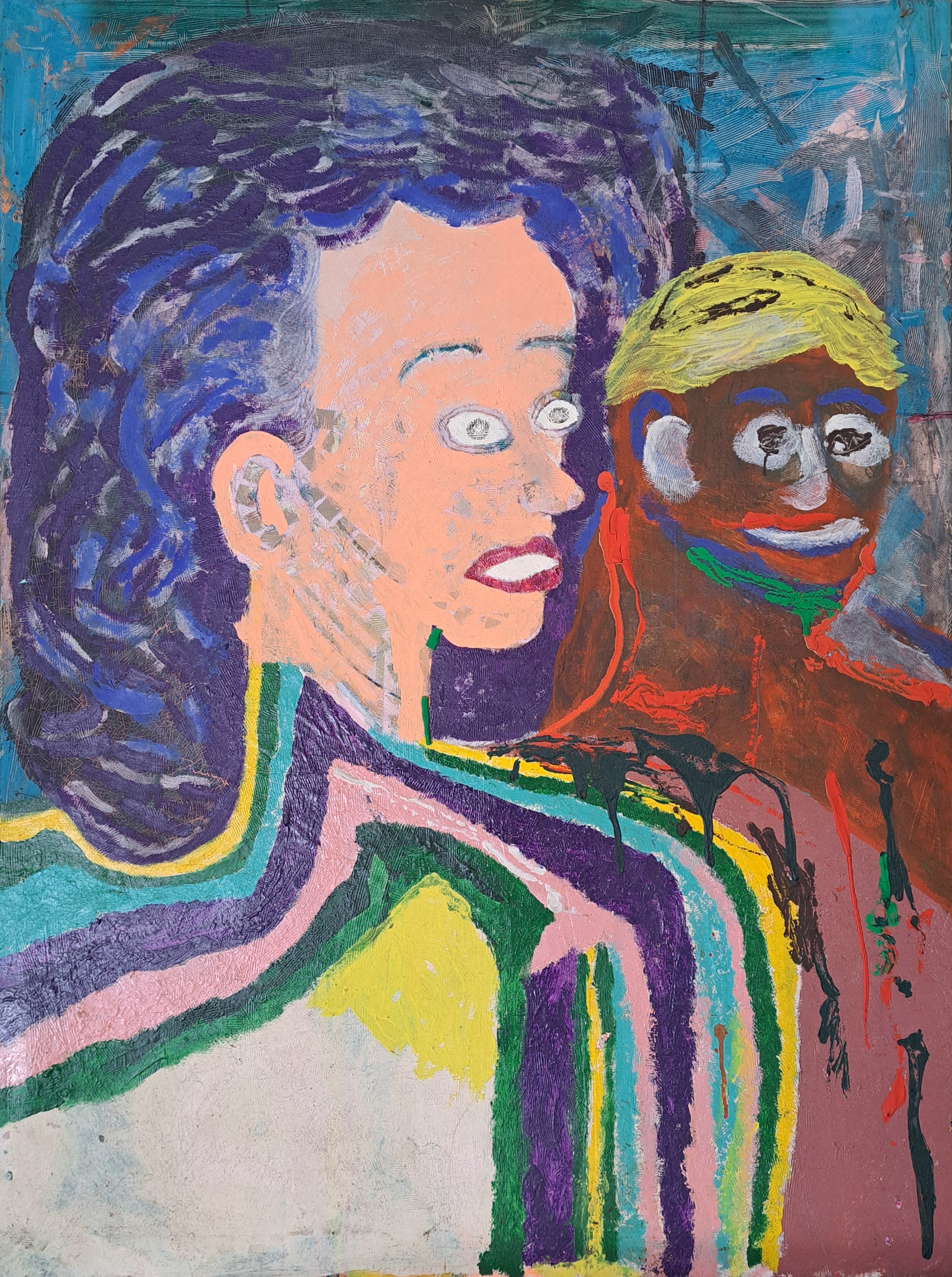
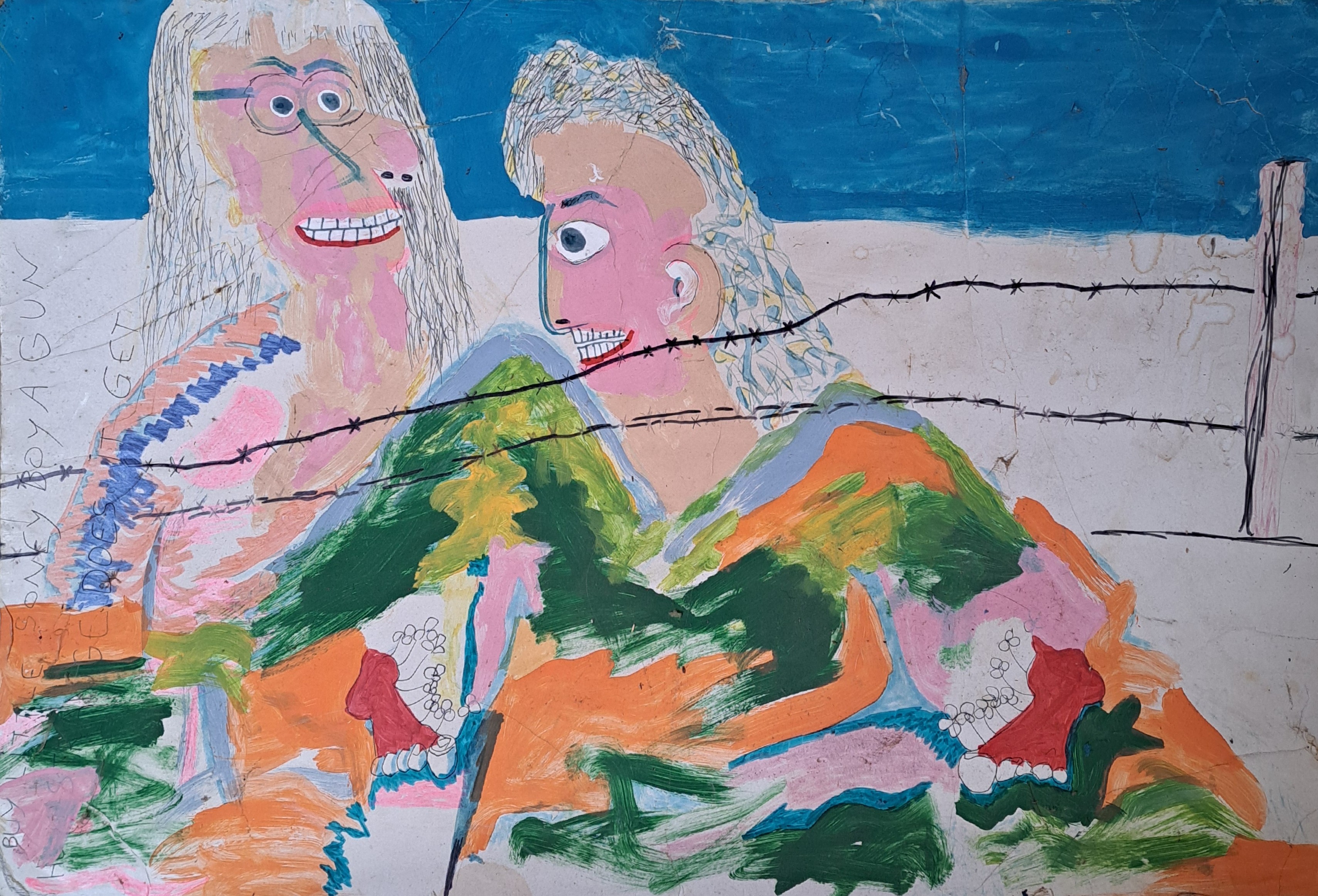
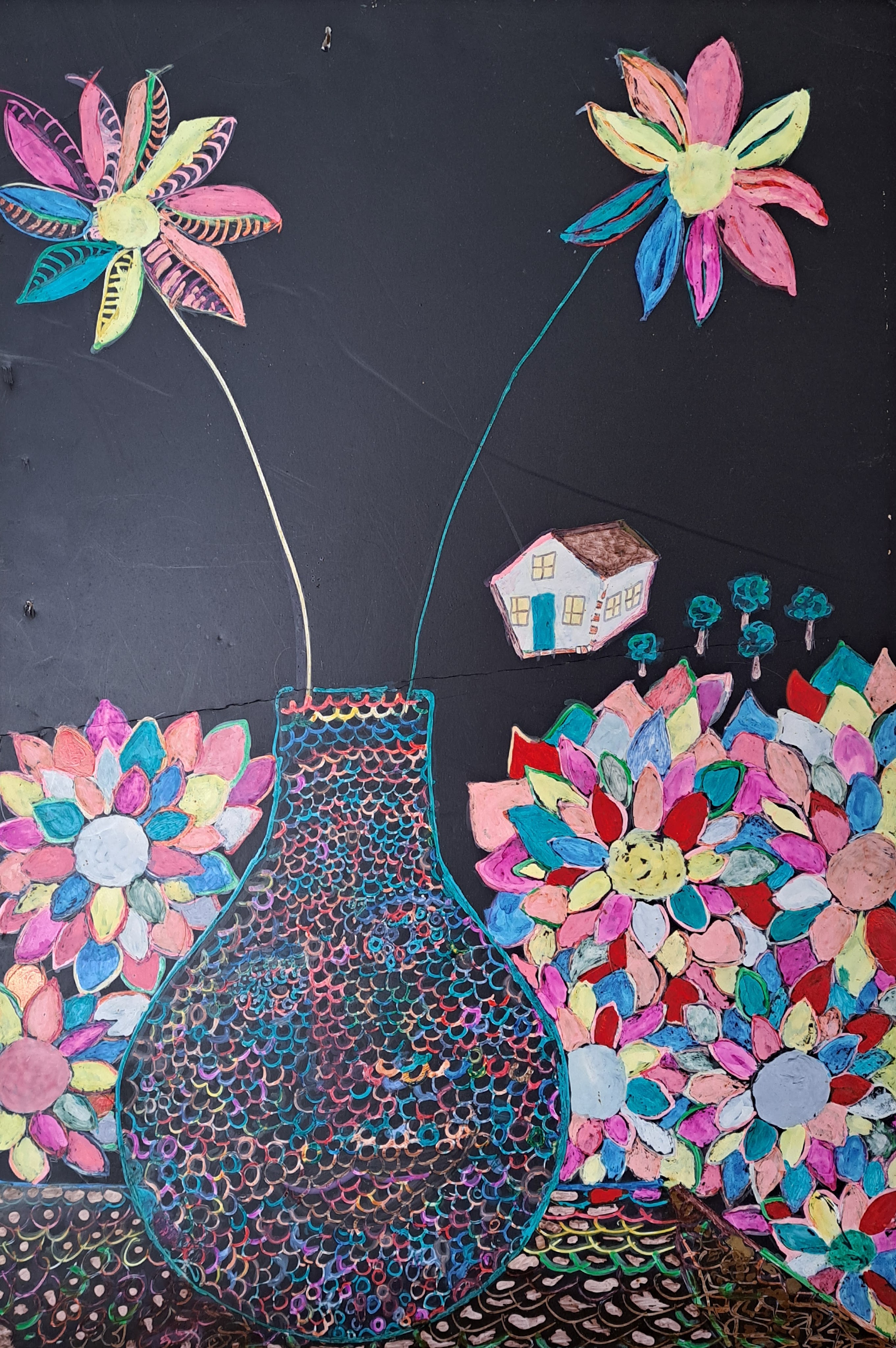
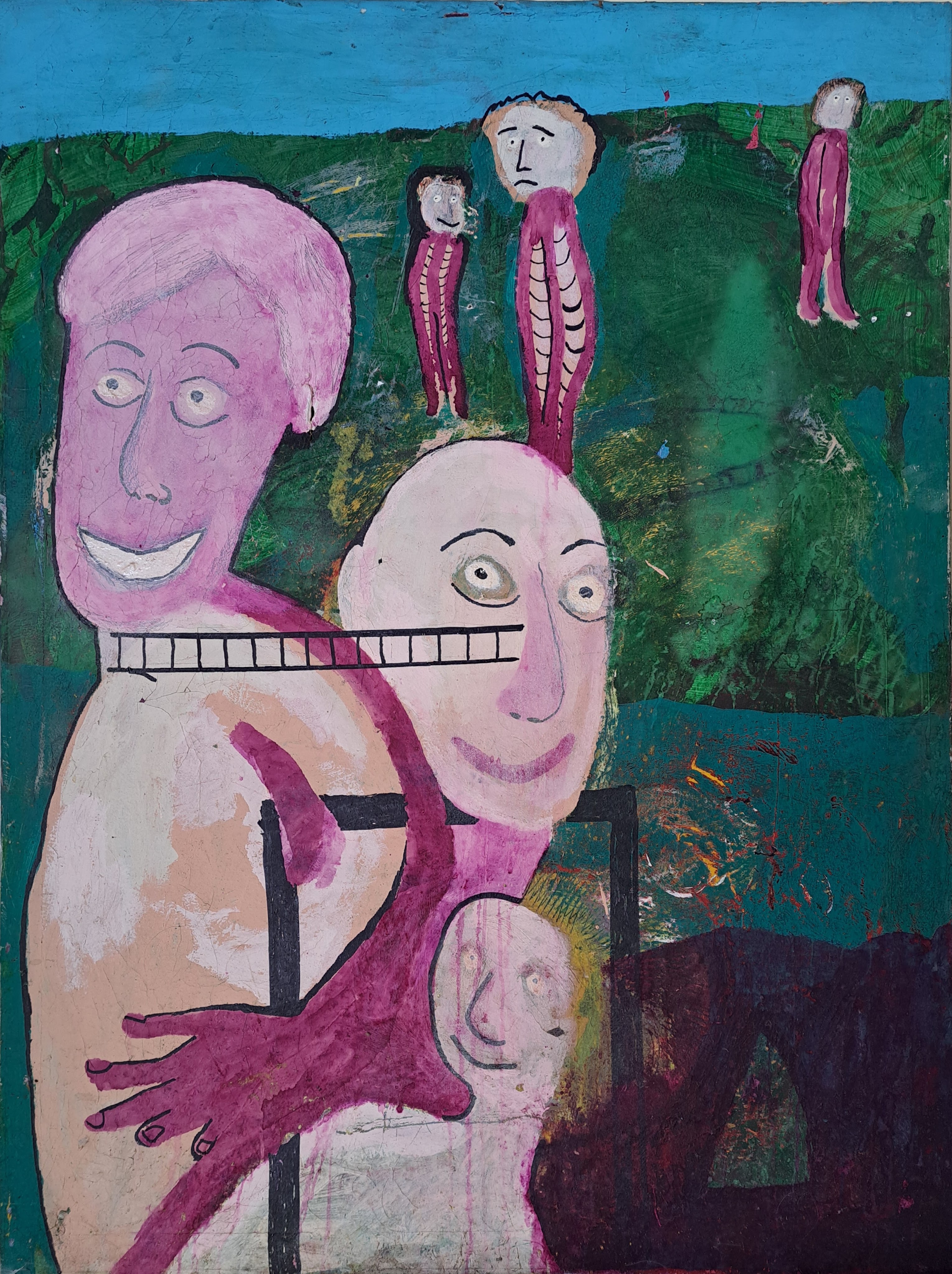
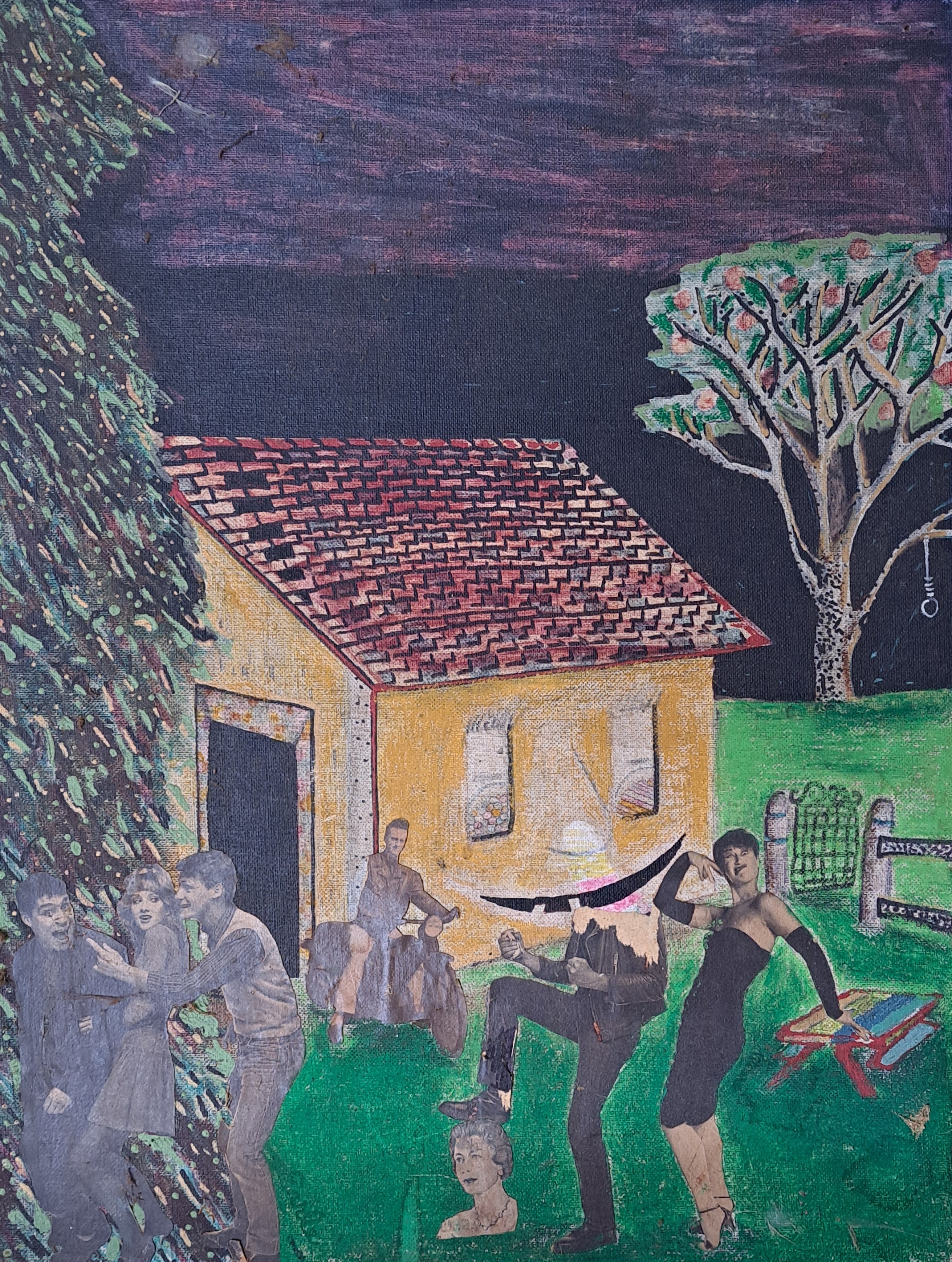
I don’t know much about art or artistic styles but I suppose Earle’s paintings would fall under the umbrella of ‘abstract’. I also don’t know what qualifies as good art or what is considered bad art, so I wouldn’t dare to place any of Earle’s paintings anywhere on that spectrum. I will say that the more I look at many of them, the more I seem to like them.

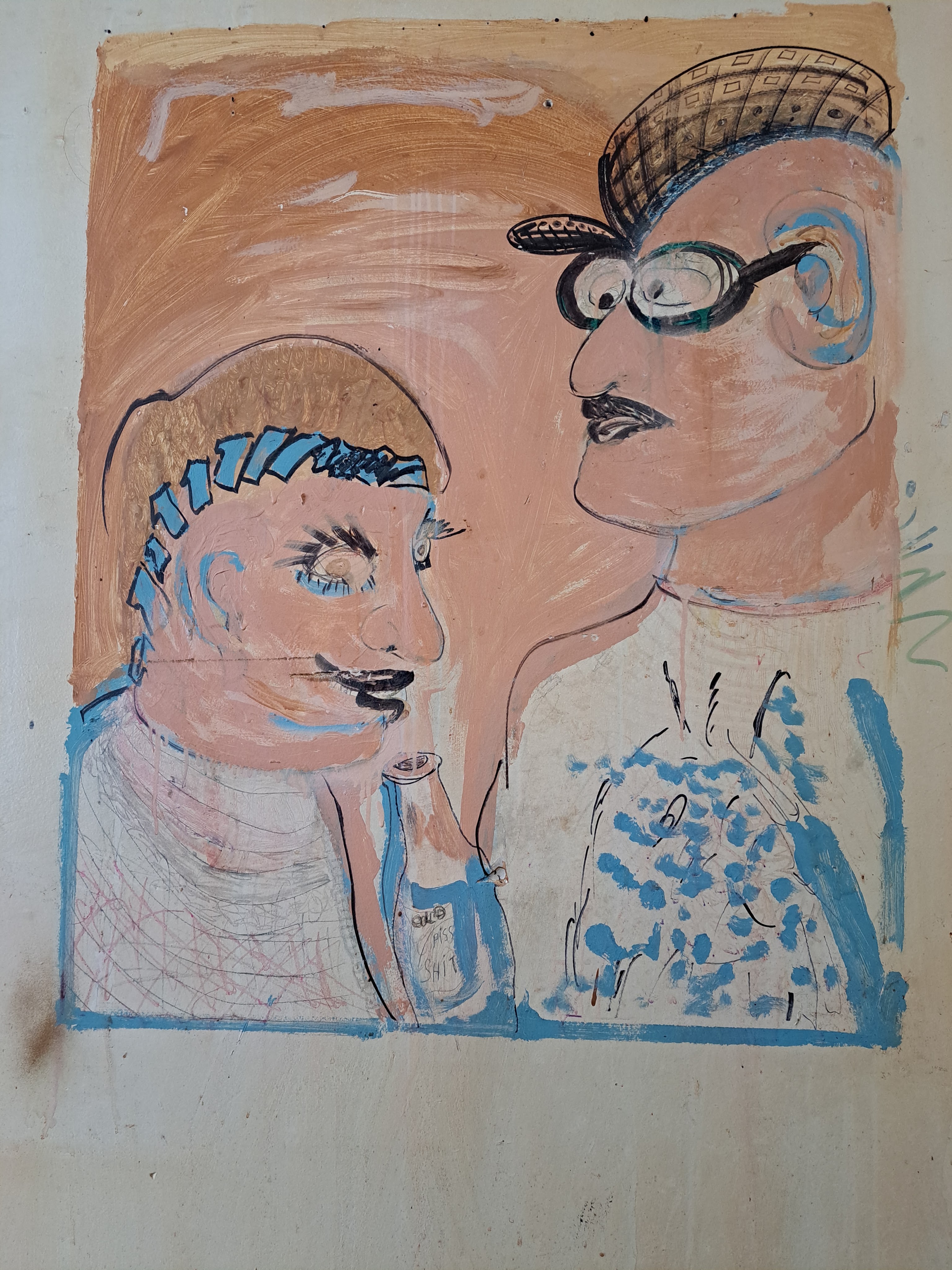
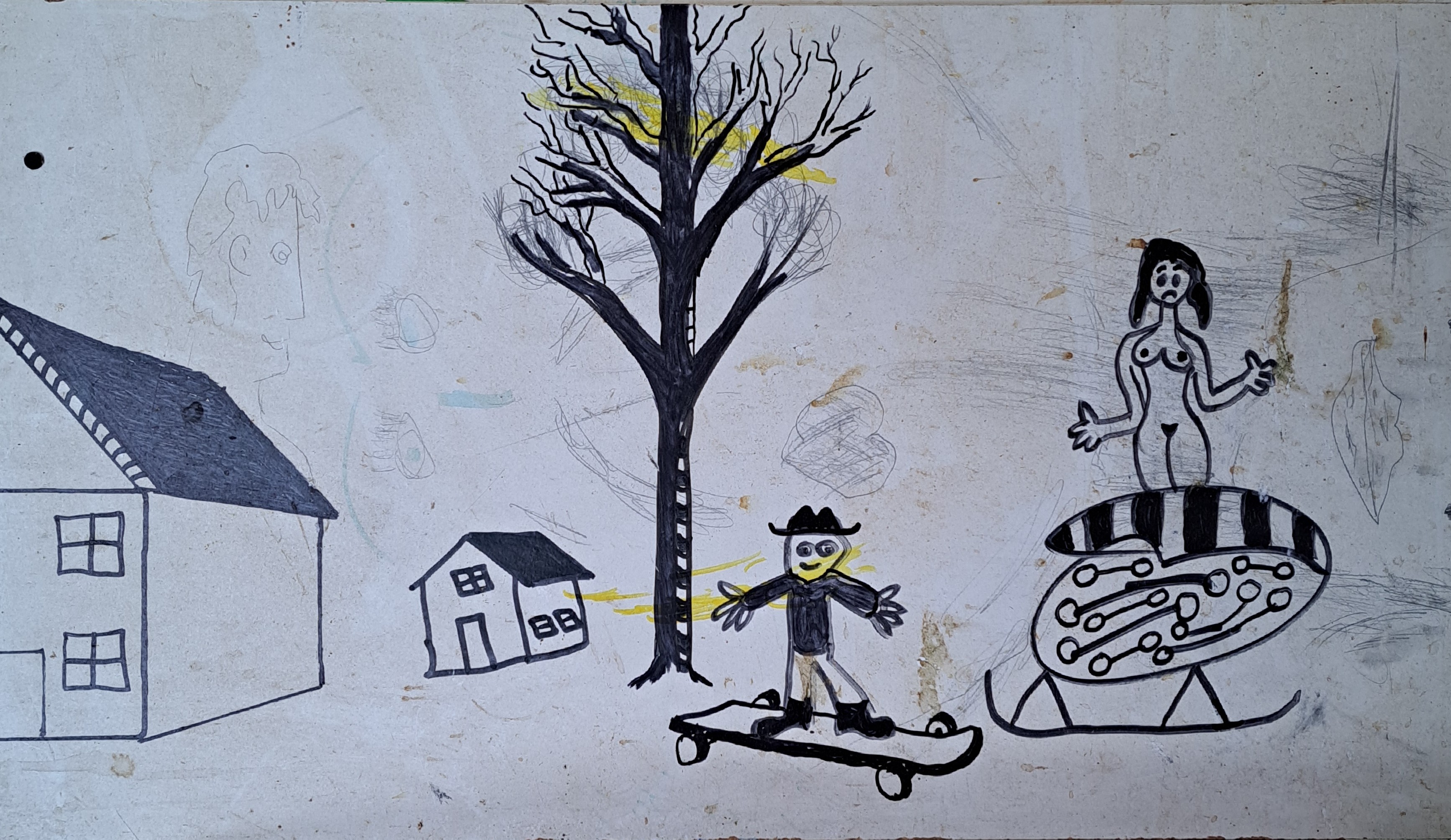
I’ve been cleaning out Earle’s house over the past couple of months, and have been putting aside most of his paintings. Some were in too bad a condition to keep and had to be tossed. Most of what remain are in some form of disrepair – dirty, dusty, torn, grimy, or worse. They all could use a good, gentle cleaning. They come in all sizes, from a few inches by a few more inches, to a few feet by a few more feet. Some are painted on canvas, some on other types of material, some on cardboard, and some are painted right on the walls of his house.

Other than a couple of guitars, a few odds and ends and personal mementos and possessions, a Bop-It, his paintings are all that really remain of Earle, as far as tangible things go. We all who knew him, of course, will have our memories.

I don’t know what to do with his paintings. But I thought it’d be a good idea to photograph them and post them onto the internet.

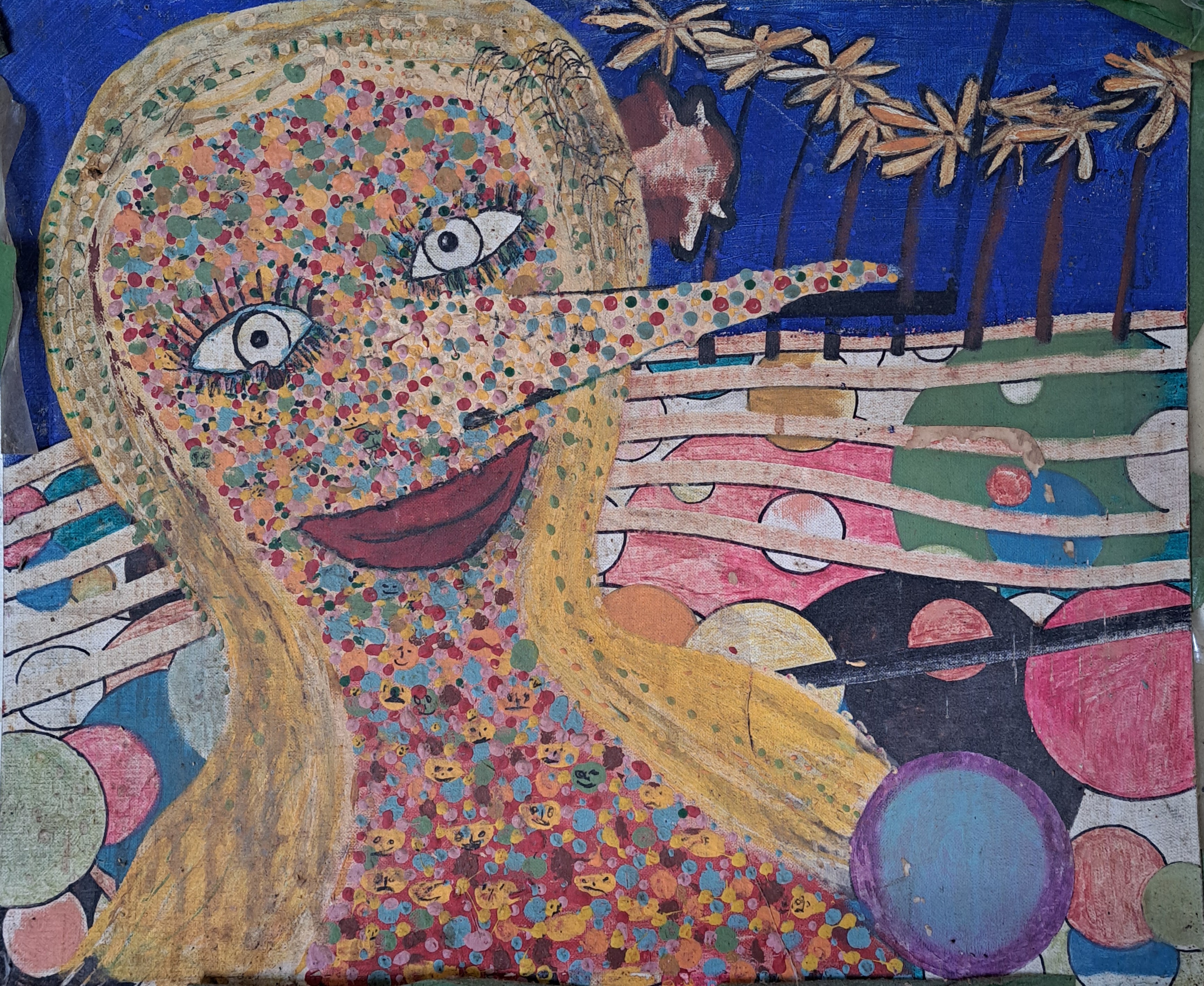
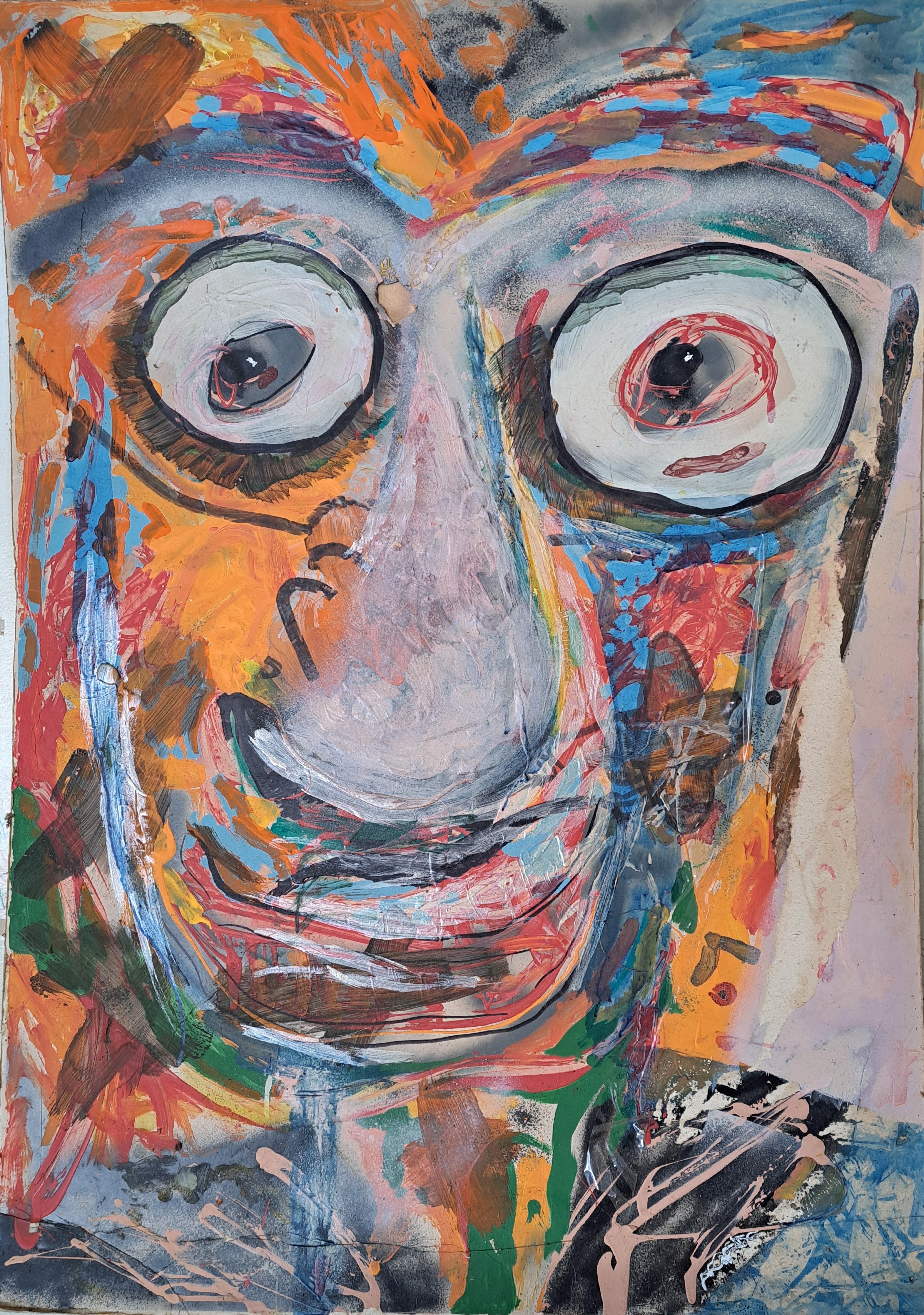
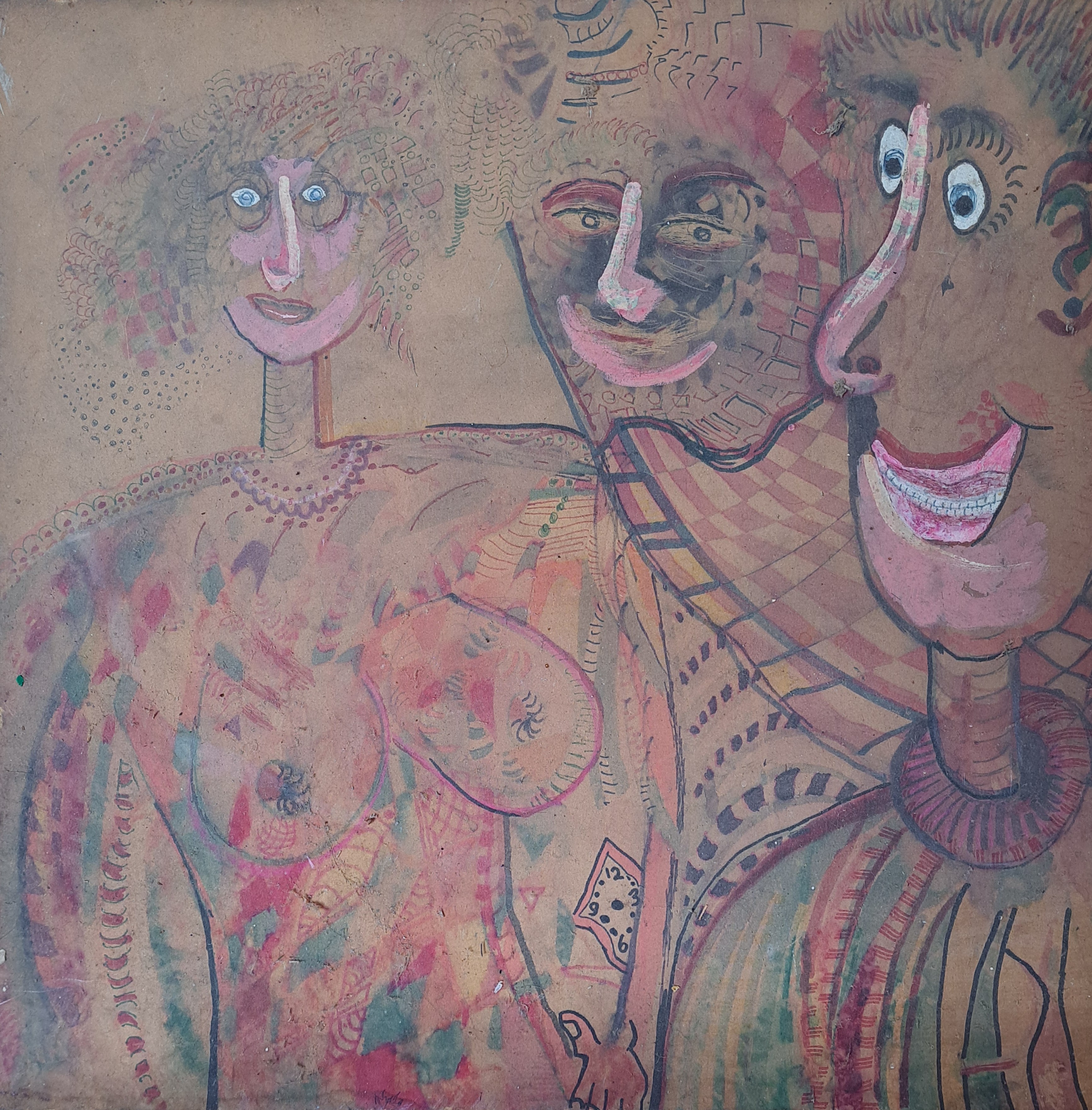
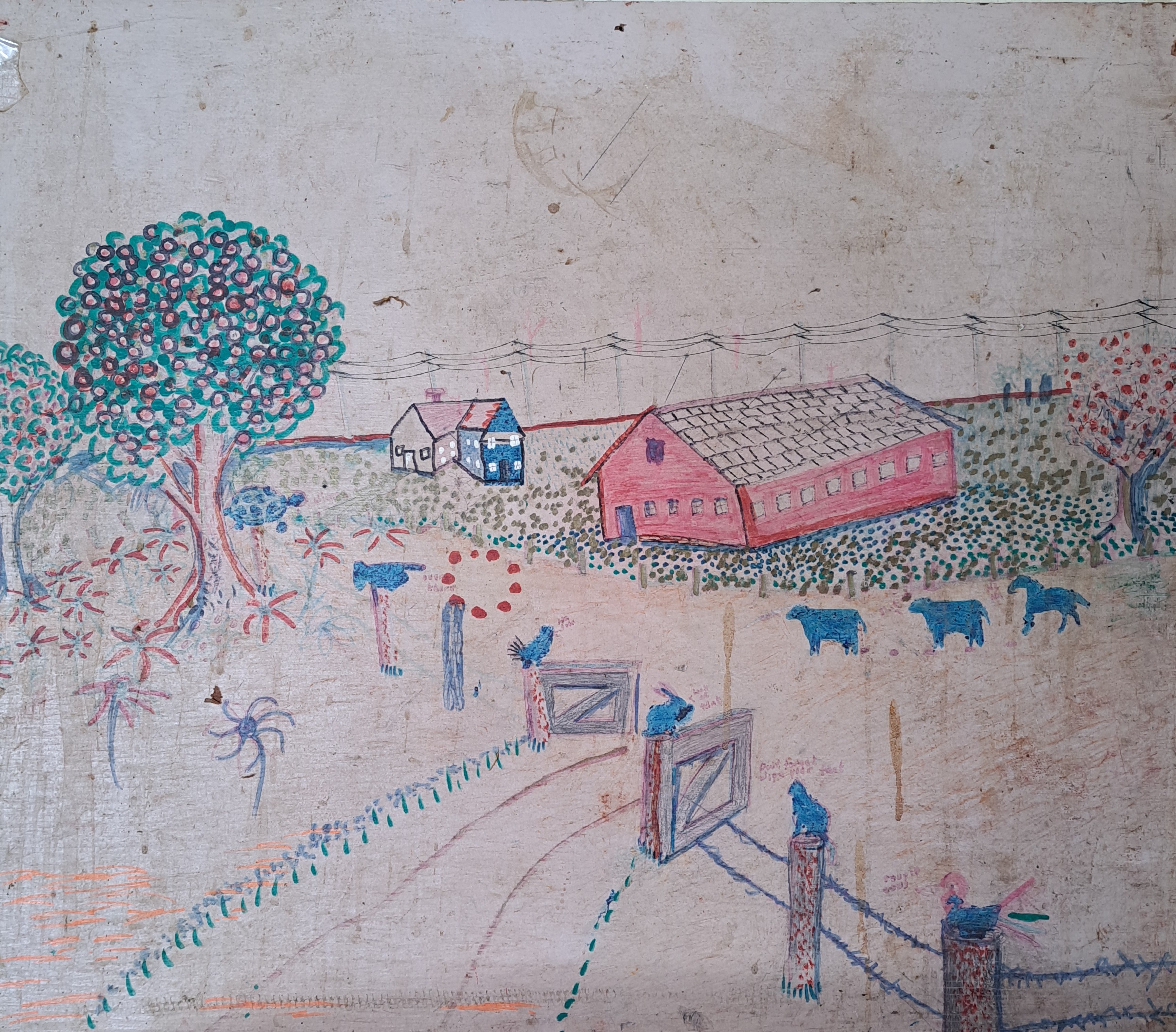
Here, then, are the paintings by Earle Bruce MacDonald:

An example of a painting painted right onto a wall.

So Exquisite Harbour – Chimp

So Exquisite Harbour

Have you seen this man?
Said the posters
In a pessimistic hue
Been up for weeks on poles
Uh-oh, does not look good for you
Your frightened eyes
Caught by surprise
Marker mustache and blackened eyes
Obscure your grainy face
No sympathy for such an ugly face
You'll find him

In our harbour
Floating in our harbour
Scaring all the fish
When we're savouring the vista
Of our so exquisite harbour

Below the surface
Way down deep
The bluest water's black
The submarine may dive, dive, dive
But Nemo brings it back
And you’re well read
Or so she said
Lying on your futon bed
Longing for her herbal tea
She loves the tea because there's no caffeine
You'll find her

In our harbour
Floating in our harbour
Scaring all the fish
When we're savouring the vista
Of our so exquisite harbour

Our so exquisite harbour
Is the only of its kind
Its utter charm and tranquility
Gives us peace of mind

A drowning mare
Can draw your stare
But less so on TV
And I can't hold my pee
Or hold my pee-pee
When I pee

Two alarm
Tractors and farms
Ran over both my dangling arms
Now my legs are stained with pee
We all get wet
Regardless of the breeze

In our harbour
Floating in our harbour
Scaring all the fish
When we're savouring the vista
Of our so exquisite harbour

In our harbour
Floating in our harbour
Scaring all the fish
When we're savouring the vista
Of our so exquisite harbour